
Property + jurisdiction context
Start with the address, governing authorities, available records, and the questions the project needs answered.
02 / INVESTIGATE
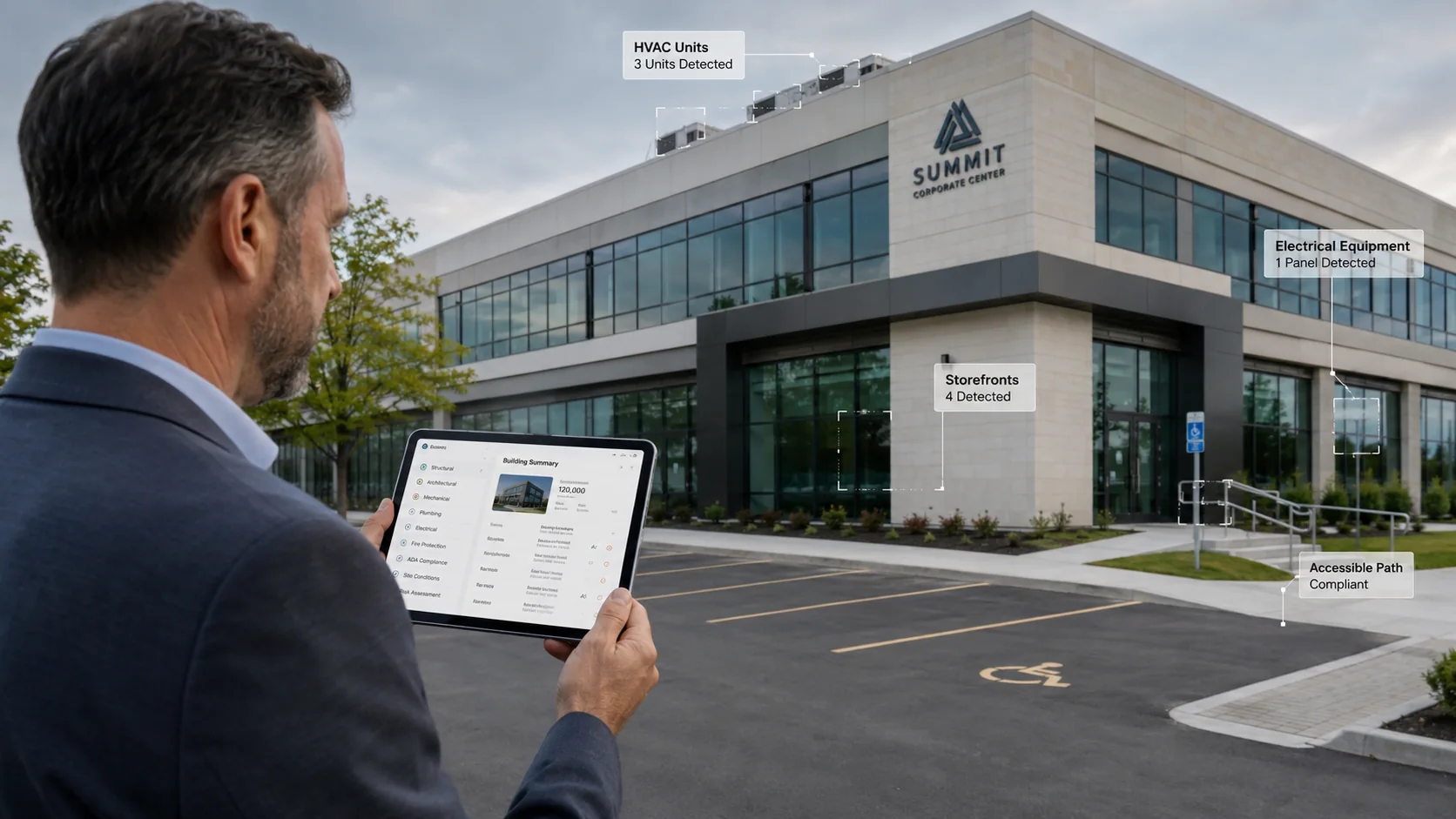
ClokIt brings property research, jurisdictions, utilities, available documents, field observations, and open questions into one reviewable investigation before the next decision gets expensive.
BUILD THE EVIDENCE
The strongest review brings multiple sources together and makes the gaps visible. ClokIt gives each piece of evidence a place in the same property story.
Start with the address, governing authorities, available records, and the questions the project needs answered.
Record providers, observed services, meter information, and items that still need direct confirmation.
Collect plans, reports, prior records, scans, photographs, and other material that can reduce repeated discovery.
Compare what research suggests against what the team actually observes in the building and on the property.
CONFIDENCE MATTERS
Good due diligence does not hide uncertainty. It surfaces it. That means confirmed information can move forward while unresolved items remain visible before they become assumptions.
THE INVESTIGATION CHAIN
Each stage narrows uncertainty. The point is not to collect the most information; it is to know which information is reliable enough to support the next move.
Know what the team is trying to understand before the research begins.
Jurisdictions, utilities, plans, prior reports, records, and ownership-provided information.
Use the site visit to confirm, correct, and expand what the documents suggest.
Distinguish confirmed conditions, partial information, assumptions, and unresolved questions.
Give owners and project teams a cleaner basis for planning, design, investment, or construction.
WHAT THIS CHANGES
When research, field findings, documents, and confidence status remain connected, due diligence becomes part of the permanent building story instead of disappearing after the decision.
Connect research, field verification, and unresolved questions before the next commitment.