
Establish the property context
Address, project identity, site conditions, existing references, and the purpose of the visit.
01 / DOCUMENT
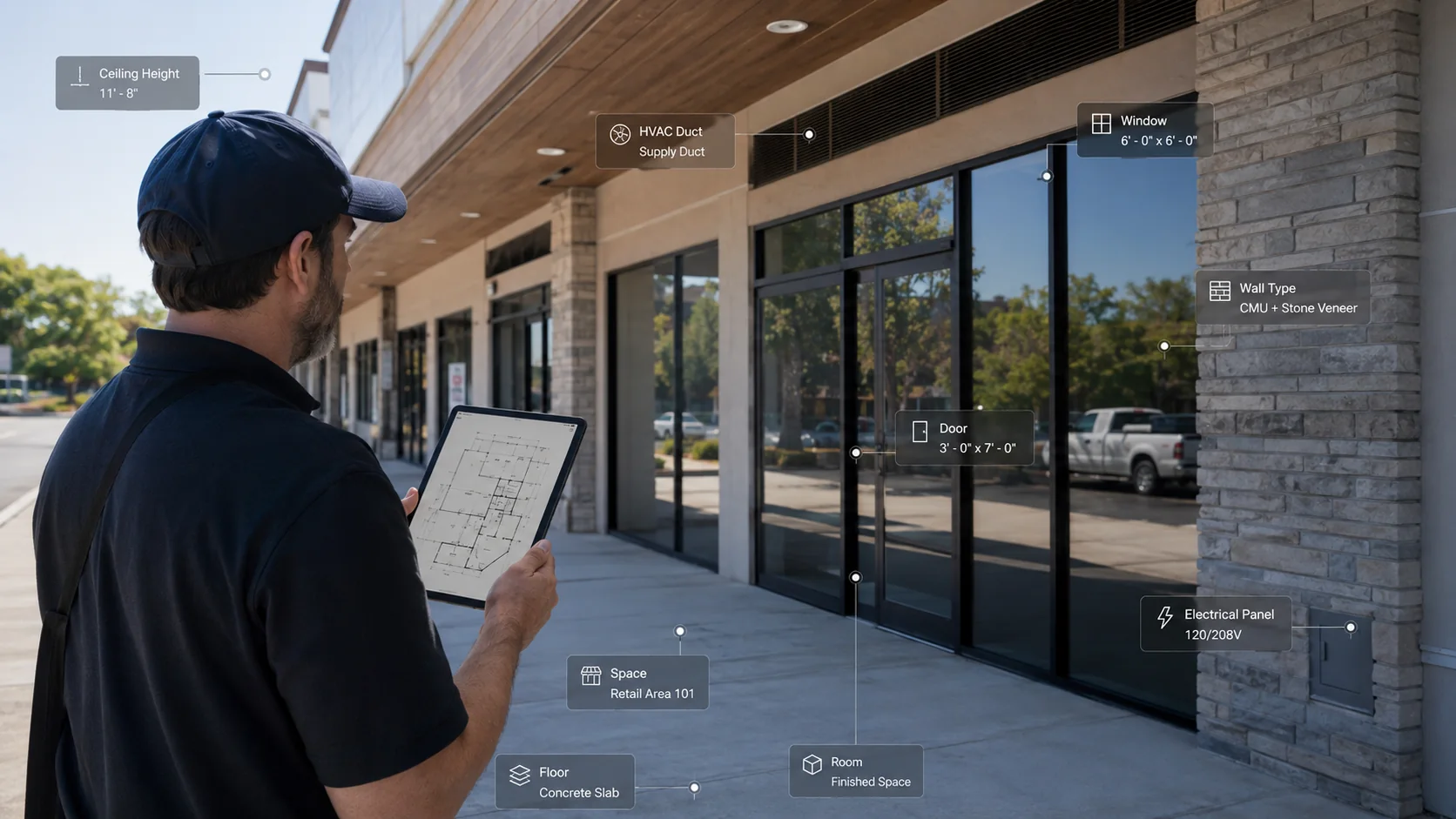
ClokIt turns the site visit into a structured building record. Measurements, photographs, systems, utilities, equipment, notes, and supporting files stay connected to the property instead of getting scattered after the team leaves.
THE FIELD SEQUENCE
ClokIt follows the way teams actually move through a property: observe the space, record what matters, connect context, then review the information before it becomes a deliverable.
Address, project identity, site conditions, existing references, and the purpose of the visit.
Rooms, dimensions, photos, exterior conditions, utilities, systems, equipment, and field observations.
Photos stay meaningful because they remain tied to the condition, area, system, or project record they describe.
Identify gaps, confirm what matters, and hand the next team a cleaner starting point instead of a pile of loose notes.
ASSEMBLE THE RECORD
The goal is not simply to collect information. It is to preserve enough context that someone who was never on site can still understand what was found.
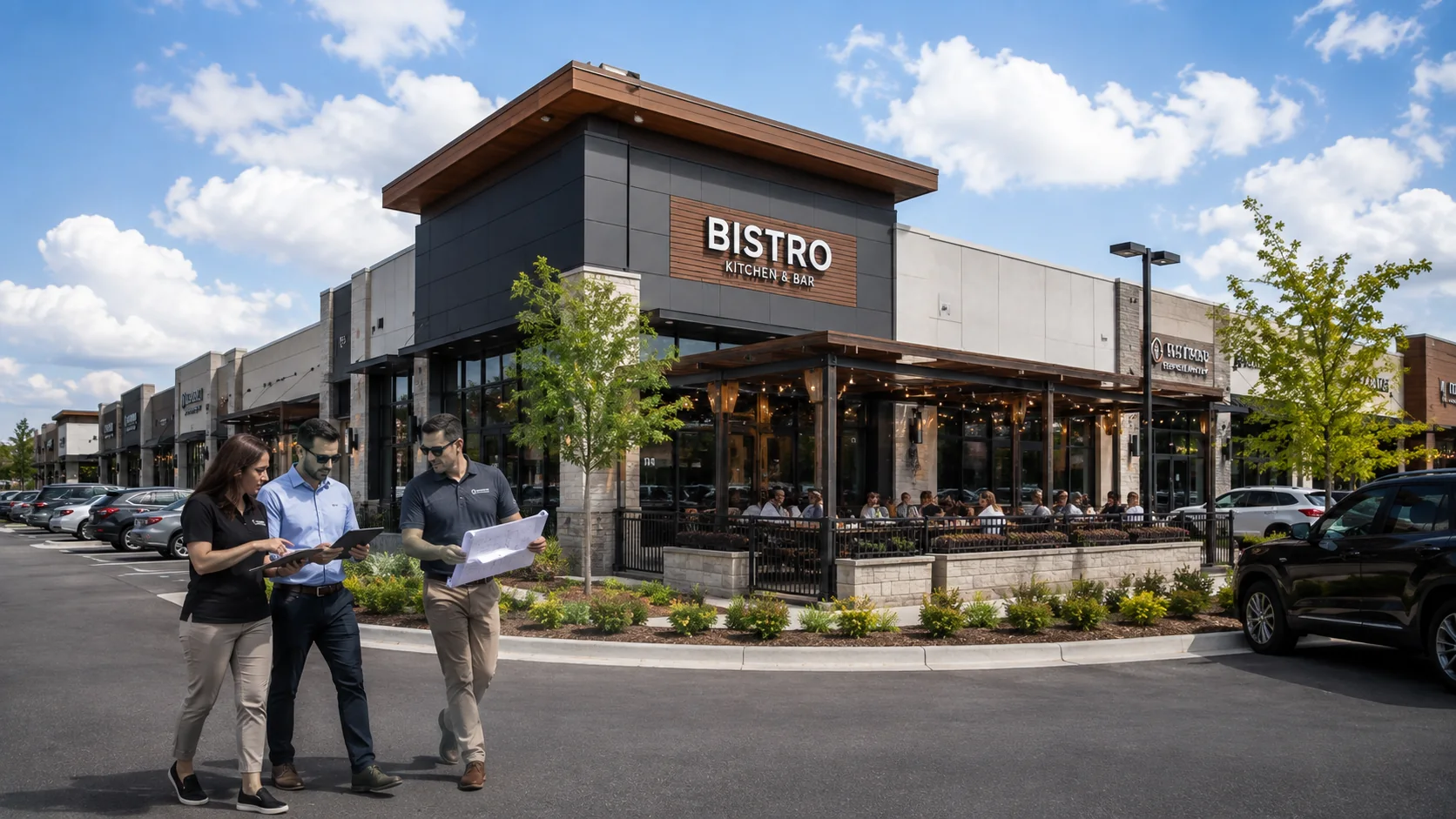
Observed conditions, imagery, systems, notes, and supporting files can live together around the property instead of being separated by tool or person.
Record the geometry and practical conditions that influence planning, design, and verification.
Capture service information, labels, locations, equipment observations, and building-system context.
Preserve visual proof with enough organization that the image remains useful long after the walkthrough.
FROM FIELD TO HANDOFF
ClokIt is designed so the information captured in the field can continue into review, reporting, planning, design, client communication, and the longer-term building record without rebuilding the story from scratch.
WHAT THIS CHANGES
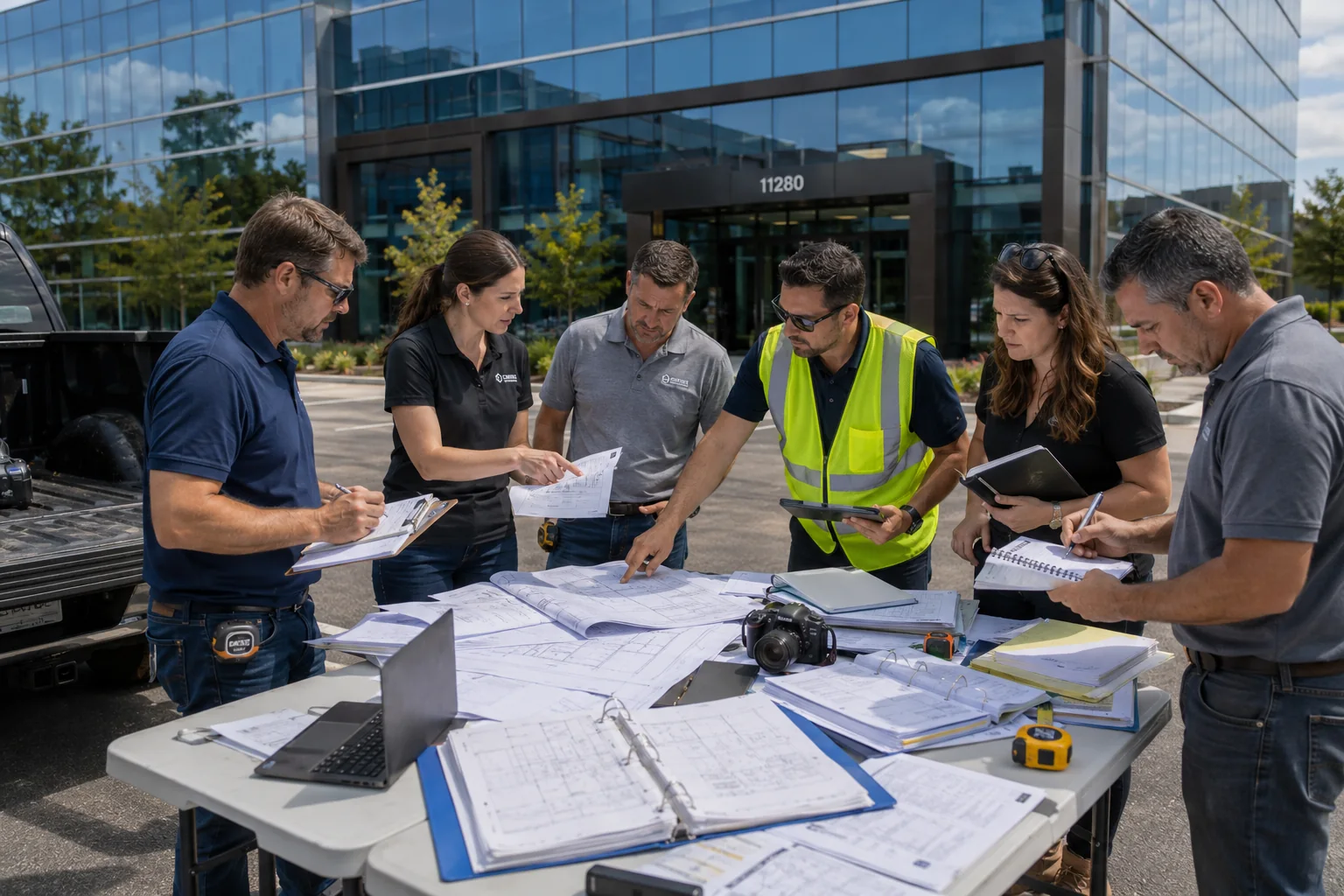
Every completed documentation effort can improve the next decision when the information remains structured, searchable, and connected to the building.
Start with the site visit, then build a record the next team can actually use.