Find existing records faster
Bring prior drawings, reports, photos, and field records into view before new work begins.
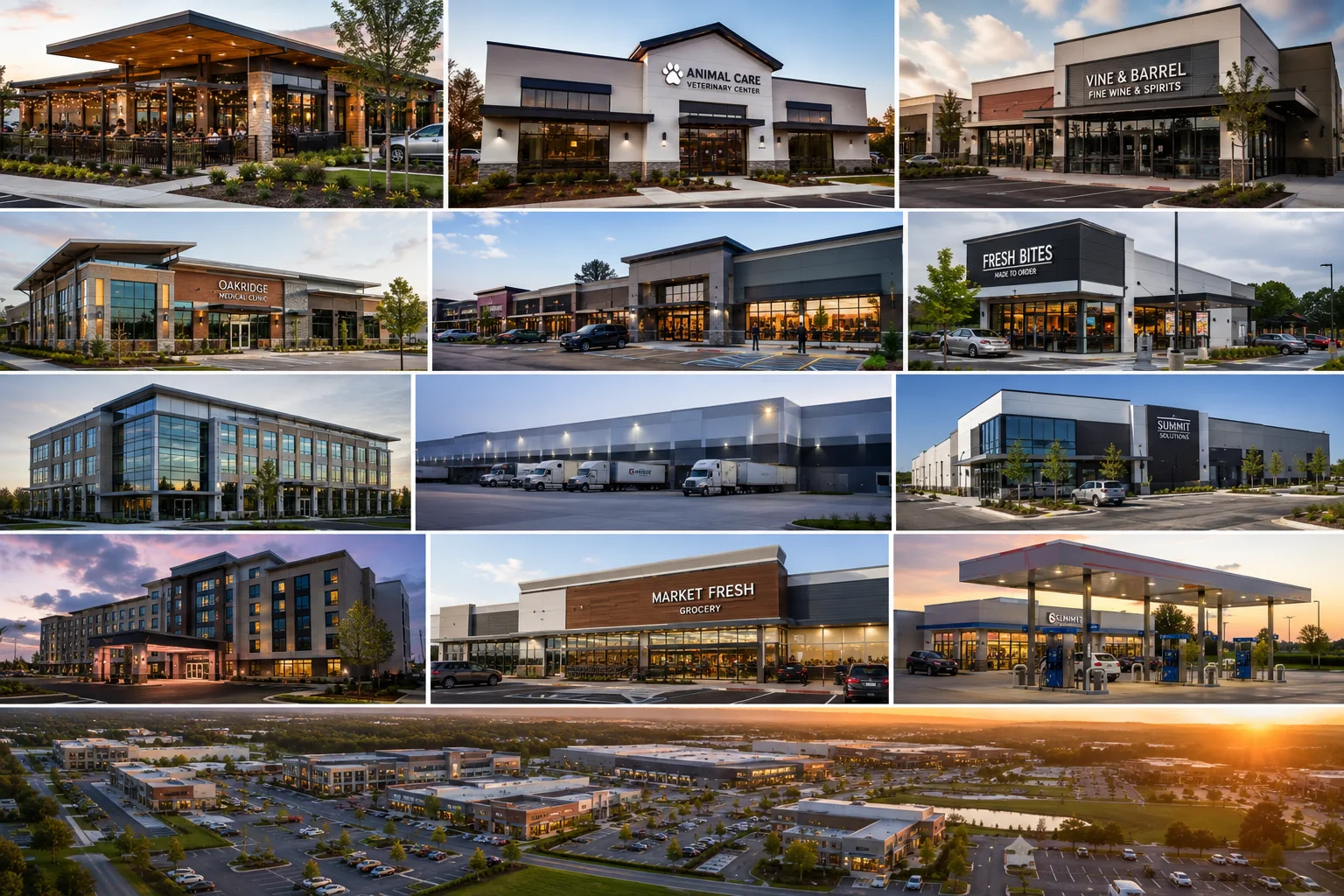
06 / EXISTING BUILDING DATA
Find available floor plans, reports, photographs, field records, and property information tied to an address before commissioning another round of discovery.
WHAT THIS SOLVES
ClokIt is designed to help teams begin with the information already connected to the property, then add only what still needs to be discovered or verified.
Bring prior drawings, reports, photos, and field records into view before new work begins.
Use existing property knowledge as a starting point instead of automatically commissioning the same discovery again.
Give teams more context before estimating, designing, buying, leasing, renovating, or maintaining a property.
WHAT CAN BE REUSED
As ClokIt records grow, the goal is to make useful building information easier to retrieve by property instead of leaving it trapped inside old project folders.
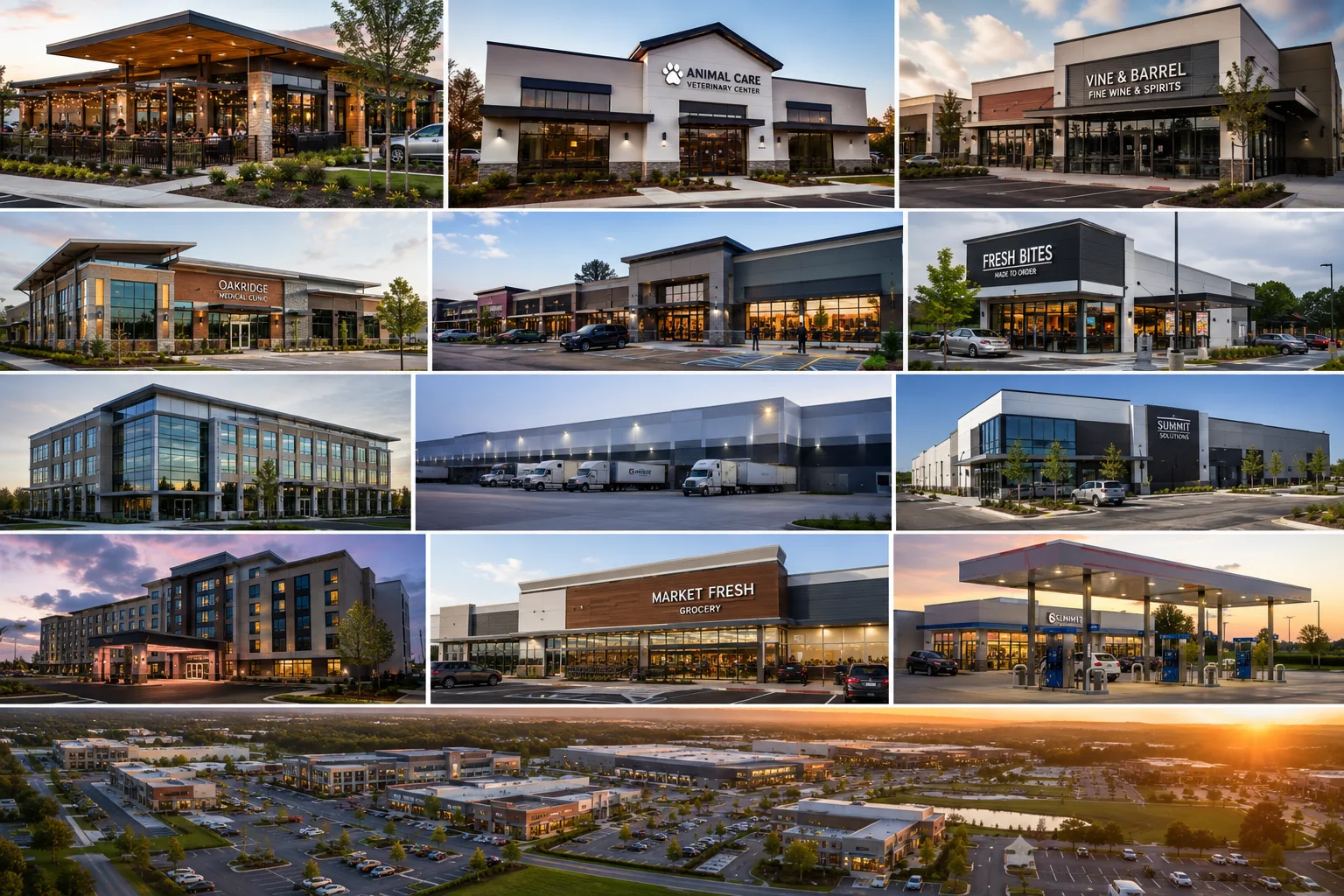
THE DATA WORKFLOW
Existing information should accelerate the next assignment without pretending that old information is automatically current.
Look for available records tied to the address or building.
See which drawings, reports, photos, and records may already support the work.
Use field checks and source review where conditions may have changed.
Keep the latest verified information in the building record for the next team.
RELATED SOLUTIONS
Use available information to focus new field work and strengthen the permanent record.
Then spend time and money only on the information the project still needs.