
Building & spatial files
Floor plans, measured dimensions, models, scans, room relationships, circulation, openings, and overall building geometry.
Game Development + Digital Environments
ClokIt USA turns real building knowledge into production-ready reference: geometry, dimensions, floor plans, scans, photos, spatial context, systems, and field observations for games, simulation, visualization, and virtual environments.
Real-world source material
Digital environments are stronger when the reference behind them is coherent. ClokIt can package real-world spatial information so production teams spend less time reconstructing scale, layout, and context from scattered internet references.
Floor plans, measured dimensions, models, scans, room relationships, circulation, openings, and overall building geometry.
Field photography, materials, equipment, storefronts, interiors, exterior conditions, and contextual imagery organized around the property.
Utilities, visible building systems, equipment, access conditions, and field observations that help a virtual environment feel grounded in how real facilities work.
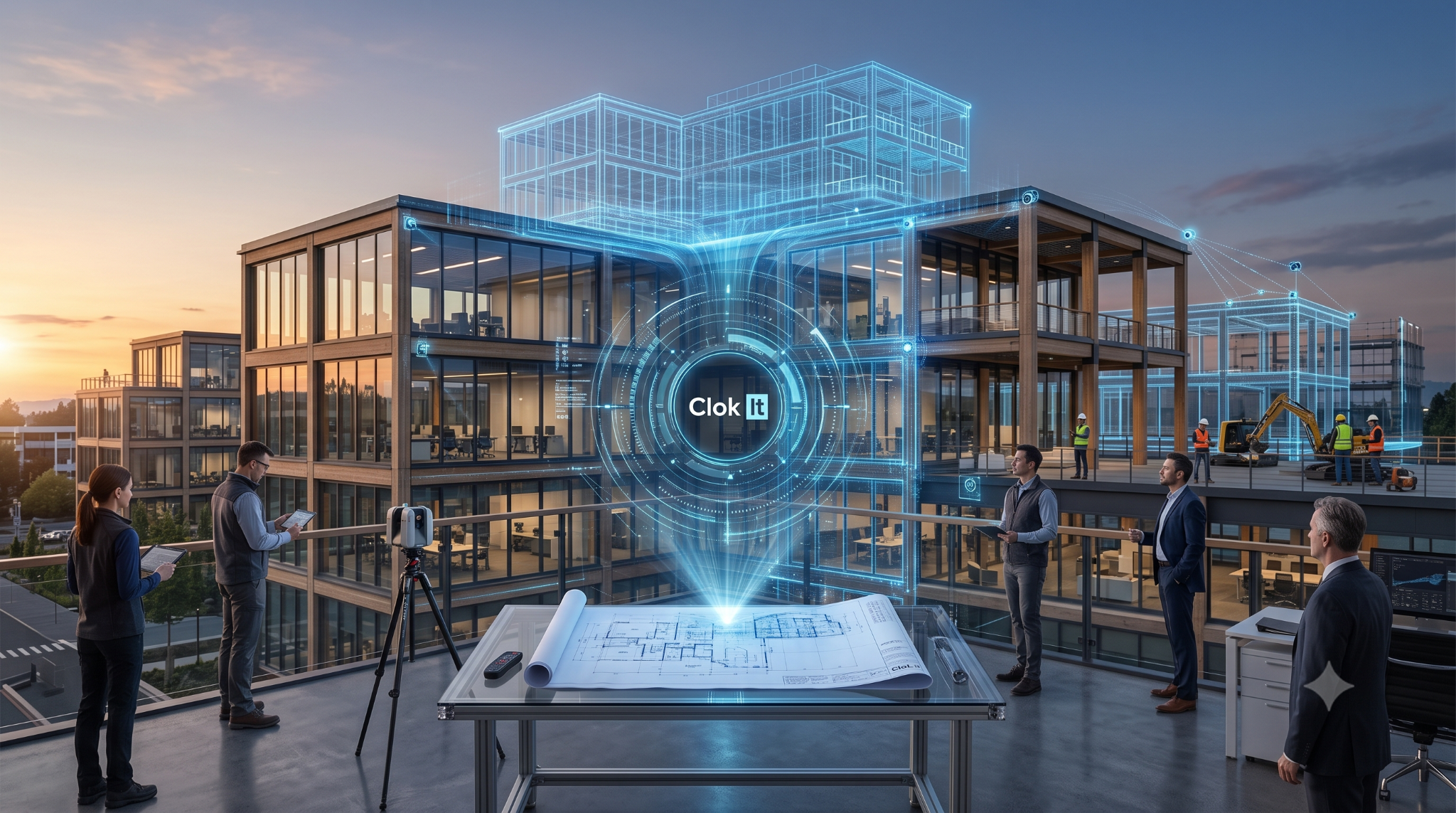
From field reality to production asset
The same real-world building record can support different creative and technical pipelines without pretending every project needs the same deliverable.
Production use cases
ClokIt does not replace the creative pipeline. It gives that pipeline a stronger real-world foundation.
Use real commercial layouts and building references to accelerate believable environment creation.
Support scenario planning and facility-based simulations with real spatial context.
Give artists and technical teams consistent reference for architectural and property-based visualization.
Lay the groundwork for future immersive training systems based on real facilities and workflows.
Why ClokIt belongs here
Real buildings already contain the complexity digital worlds work hard to recreate.
ClokIt captures that complexity in structured form. The opportunity is to make real-world building knowledge useful far beyond the original field visit.
Digital Environments